Traditional Cuisine and Cultural Identity: Exploring Global Food Heritage


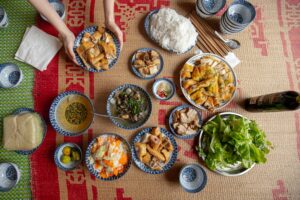
Food does more than fill the stomach. It tells stories, shapes identity, and connects people to their roots. Traditional cuisine reflects the heart of every culture. It shows how communities live, celebrate, and pass down values. Across the world, people rely on food to express who they are and where they come from.
Traditional cuisine continues to play a strong role in shaping cultural identity. Even as the world changes, people hold onto familiar flavors and cooking methods. These traditions create a sense of belonging. At the same time, they help individuals understand their heritage more deeply.
The Meaning of Traditional Cuisine in Cultural Identity
Traditional cuisine represents more than recipes. It reflects a way of life that has developed over time. Each dish carries meaning that links people to their history. Ingredients, preparation methods, and serving styles all tell a story about a culture.
As a result, food becomes a symbol of identity. People often associate certain meals with their upbringing and traditions. When they prepare these dishes, they reconnect with their past. This connection helps them maintain a strong sense of self, even in new environments.
How Food Preserves Cultural Heritage
Traditional cuisine helps preserve cultural heritage in a natural and lasting way. Families pass down recipes from one generation to the next. These recipes often remain unchanged, which keeps traditions alive. At the same time, they allow younger generations to learn about their roots.
Moreover, cultural events and celebrations rely on traditional food. Festivals, holidays, and gatherings often include special dishes that carry symbolic meaning. These moments strengthen community ties. They also ensure that traditional cuisine remains relevant and valued.
The Role of Local Ingredients in Identity
Local ingredients shape traditional cuisine in powerful ways. Each region uses what is available in its environment. This connection to the land creates unique flavors and cooking styles. As a result, food becomes closely tied to geography and culture.
In addition, using local ingredients supports cultural identity. Farmers and communities continue to grow traditional crops. This practice preserves both food traditions and agricultural heritage. It also promotes sustainability, which benefits future generations.
Cultural Exchange Through Traditional Cuisine
Traditional cuisine also plays a key role in cultural exchange. When people share their food with others, they share a part of their identity. This exchange helps build understanding and respect between cultures. It allows people to explore new traditions in a meaningful way.
Furthermore, global travel and communication have made cultural cuisine more accessible. People can experience traditional dishes from around the world. This exposure encourages curiosity. It also helps break down cultural barriers through shared experiences.
Migration and the Evolution of Traditional Cuisine
Migration has influenced traditional cuisine across generations. When people move, they bring their food traditions with them. Over time, these traditions adapt to new environments. This process creates new variations while preserving core elements.
At the same time, migration strengthens cultural identity. Immigrant communities often rely on traditional cuisine to stay connected to their roots. Food becomes a source of comfort and familiarity. It also helps preserve cultural practices in a new setting.
The Impact of Globalization on Food Traditions
Globalization has changed how people experience food. On the one hand, it has made traditional cuisine more accessible. People can now enjoy dishes from different cultures without having to travel far. This accessibility promotes cultural appreciation.
On the other hand, globalization can challenge traditional cuisine. Fast food and modern lifestyles sometimes replace traditional meals. However, many communities actively protect their food heritage. They promote authentic recipes and support local food systems to maintain their identity.
The Emotional Connection to Traditional Cuisine
Traditional cuisine often carries strong emotional meaning. People associate certain dishes with family, memories, and important life events. These connections make food more than just nourishment. They turn it into a source of comfort and belonging.
In addition, preparing traditional meals can create a sense of pride. People feel connected to their culture when they cook and share these dishes. This emotional bond strengthens cultural identity and encourages the preservation of traditions.
The Future of Traditional Cuisine and Cultural Identity
Traditional cuisine will continue to evolve while maintaining its core values. Younger generations are finding new ways to engage with their food heritage. They use modern tools and platforms to share and promote traditional dishes.
At the same time, there is growing awareness about the importance of preserving cultural identity. People are choosing to value authenticity and sustainability. This shift ensures that traditional cuisine remains a vital part of global culture. It will continue to connect people, preserve heritage, and celebrate diversity for years to come.