From Farm to Fork Across Borders: Discovering Culture Through Food


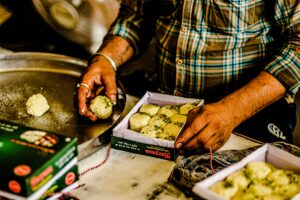
Food tells a story long before it reaches the plate. From the soil where crops grow to the hands that prepare a meal, every step reflects culture, history, and local values. When people explore food from farm to fork around the world, they do more than taste new flavors. They discover how communities live, celebrate, and connect. As a result, culinary adventures become one of the most meaningful ways to understand cultural diversity on a global scale.
Food production and dining traditions may look different across countries, yet they all share a common purpose. People grow food to nourish families and communities. They cook to preserve tradition and express creativity. Therefore, when travelers follow the journey of food from its source to the table, they gain a deeper appreciation for both the meal and the culture behind it.
Where Food Begins and Why It Matters
Every culinary journey starts at the farm. Fields, gardens, and waters shape what people eat and how they prepare it. Climate, geography, and seasonal cycles influence farming methods across regions. For example, rice thrives in wet environments, while wheat grows best in drier climates. Because of these differences, staple foods vary widely around the world.
At the same time, farming practices reflect cultural values. Some communities focus on small family farms, while others rely on shared land or cooperatives. Many cultures still honor traditional farming methods passed down for generations. Therefore, understanding where food begins helps people see how deeply agriculture connects to identity, sustainability, and daily life.
Local Ingredients and Cultural Identity
Ingredients define a cuisine long before cooking begins. Herbs, grains, vegetables, and proteins often come from nearby land or water. As a result, local ingredients shape both flavor and tradition. When people cook with what surrounds them, they create dishes that feel authentic and rooted in place.
Moreover, local ingredients often carry symbolic meaning. Certain foods appear during holidays or life events because they represent prosperity, health, or togetherness. Therefore, eating local food allows travelers to connect with cultural values in a very personal way. Each ingredient becomes part of a larger story that links land, people, and tradition.
Traditional Cooking Methods Passed Down
Cooking methods matter just as much as ingredients. Grilling, steaming, fermenting, and slow cooking all developed for practical reasons. Over time, these methods became cultural markers. For example, fermentation helped preserve food, while open fire cooking brought communities together.
In many cultures, elders teach younger generations how to cook traditional meals. These lessons often take place in home kitchens rather than in formal settings. Because of this, cooking becomes a shared experience filled with stories and memories. When travelers learn about these methods, they gain insight into how culture survives and adapts through food.
Markets as the Heart of Food Culture
Local markets offer a direct look at food culture in action. Farmers, fishers, and vendors gather to sell fresh products while neighbors meet and talk. These spaces feel alive because food naturally brings people together. Therefore, markets often reveal more about a culture than restaurants alone.
As travelers walk through markets, they see what people value and eat daily. They hear the local language, observe customs, and smell fresh ingredients. Moreover, markets often reflect seasonal change and regional diversity. Through these experiences, food becomes a window into everyday life rather than just a meal.
From Kitchen to Table Around the World
The journey from kitchen to table highlights social connection. In many cultures, meals bring families and communities together. People share dishes, pass plates, and talk about their day. This shared experience strengthens relationships and fosters a sense of belonging.
In addition, dining customs differ across regions. Some cultures value long meals filled with conversation, while others focus on quick but meaningful gatherings. Even so, the act of eating together remains central. When travelers respect and join these traditions, they build stronger cultural connections through food.
Street Food and Daily Traditions
Street food plays an important role in global culinary culture. Vendors prepare familiar dishes quickly and with care. These meals reflect local taste, affordability, and routine. Because of this, street food often represents what people truly eat every day.
At the same time, street food brings people together in casual settings. Locals and visitors stand side by side, sharing space and flavor. Therefore, street food creates natural moments of cultural exchange. Through these simple meals, travelers experience culture in an honest and accessible way.
Food, Festivals, and Cultural Celebration
Food often takes center stage during celebrations. Festivals, holidays, and family gatherings feature special dishes prepared only for those moments. These meals carry emotional meaning and connect people to tradition. As a result, food becomes a symbol of joy, gratitude, or remembrance.
When travelers participate in food-centered celebrations, they witness culture at its most expressive. Shared meals during festivals encourage inclusion and warmth. Moreover, these experiences leave lasting impressions because they combine taste, emotion, and community. Food, in these moments, becomes a bridge between cultures.
Global Influence and Culinary Exchange
As people travel and migrate, food traditions move with them. Ingredients cross borders, and recipes adapt to new environments. Because of this, global cuisine continues to evolve. Cultural exchange through food reflects cooperation, creativity, and shared experience.
However, respectful exchange matters. Honoring original traditions while embracing new ideas keeps cuisine meaningful. Travelers who approach global food with curiosity and respect gain a deeper understanding. Through balanced exchange, food continues to unite cultures rather than replace them.
Why Culinary Adventures Build Cultural Understanding
Food speaks a universal language. Even without words, a shared meal communicates welcome and connection. When people eat together, they relax and open up. Therefore, culinary adventures create opportunities for understanding that go beyond sightseeing.
Exploring food from farm to fork helps travelers see the full picture. They learn where food comes from, how it is prepared, and why it matters. As a result, they connect more deeply with the cultures they visit. Food becomes not just fuel, but a pathway to empathy and appreciation.
From farm to fork globally, food reflects the diversity and unity of human culture. Each step in the culinary journey reveals how people live, adapt, and connect. When travelers explore food with intention, they gain insight into traditions, values, and daily life. Ultimately, culinary adventures offer one of the most meaningful ways to experience cultural diversity, one meal at a time.